
What Are You Looking For?
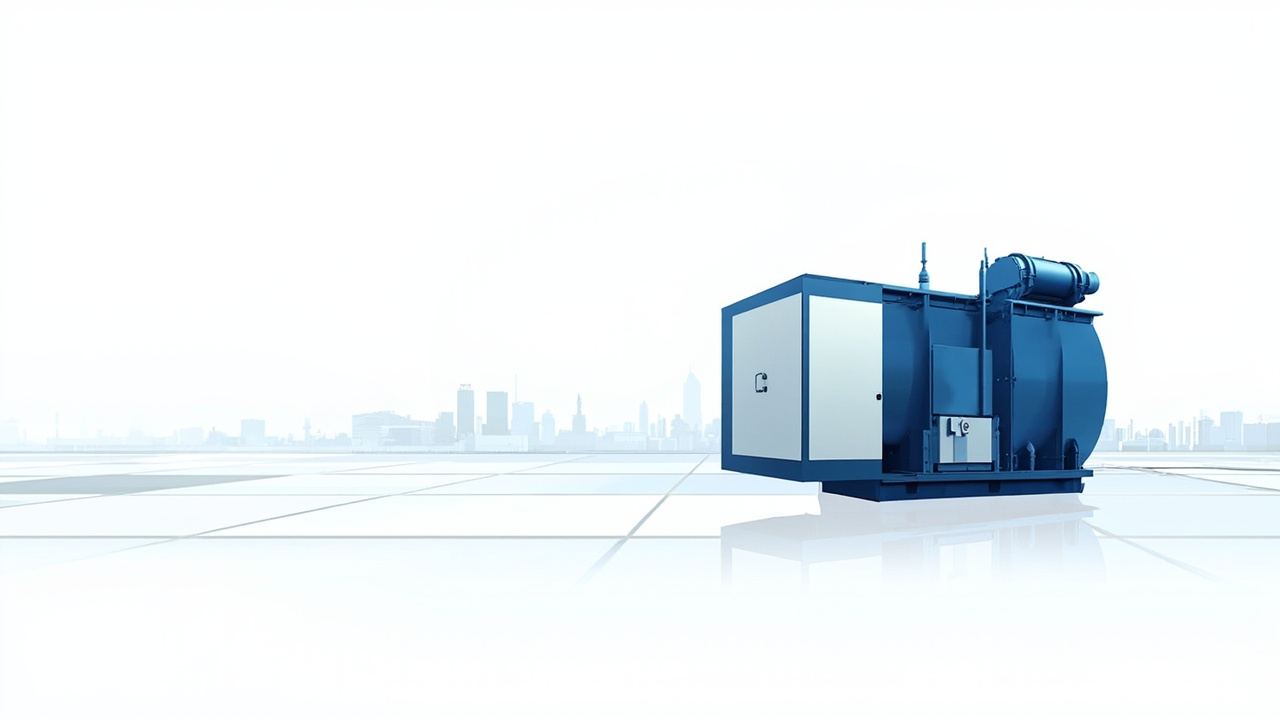
Dry-type transformers have emerged as critical components in modern power systems, with significant technological advancements and expanding applications in recent years. Compared to traditional oil-immersed transformers, dry-type transformers offer superior safety, easier maintenance, and environmental benefits. This article provides an in-depth analysis of the latest technological developments and future application trends in dry-type transformer technology.
Dry-type transformers utilize vacuum casting technology with epoxy resin, completely eliminating safety hazards associated with oil-immersed units such as oil leakage and fire risks. With insulation classes typically reaching F or H (maximum allowable temperatures of 155°C or 180°C), these transformers maintain stable operation even under extreme working conditions.
With continuously improving energy efficiency standards, modern dry-type transformers have achieved significant reductions in both no-load and load losses. Advanced silicon steel sheets and low-loss winding technology deliver 15-25% energy savings compared to conventional products. The oil-free design throughout production and operation meets strict environmental requirements.
Modern dry-type transformers are evolving toward intelligent monitoring systems. Built-in temperature sensors, vibration sensors, and partial discharge monitoring devices enable real-time remote monitoring and fault early warning. Some high-end products feature adaptive load regulation capabilities to optimize operational efficiency.
| Application | Typical Scenarios | Technical Requirements |
| Urban Distribution | Commercial complexes, Data centers | Low noise, High reliability |
| Industrial | Petrochemical, Metallurgy, Pharmaceutical | Corrosion-resistant, Explosion-proof |
| Renewable Energy | PV inverter stations, Wind power substations | Wide temperature range |
| Rail Transit | Metro, Light rail traction | Vibration-resistant, Compact design |
Dry-type transformer technology is in a rapid development phase, with new materials, processes, and intelligent applications reshaping this traditional industry. For power system designers and equipment purchasers, understanding these technological trends enables more informed decision-making in project specifications.