
What Are You Looking For?
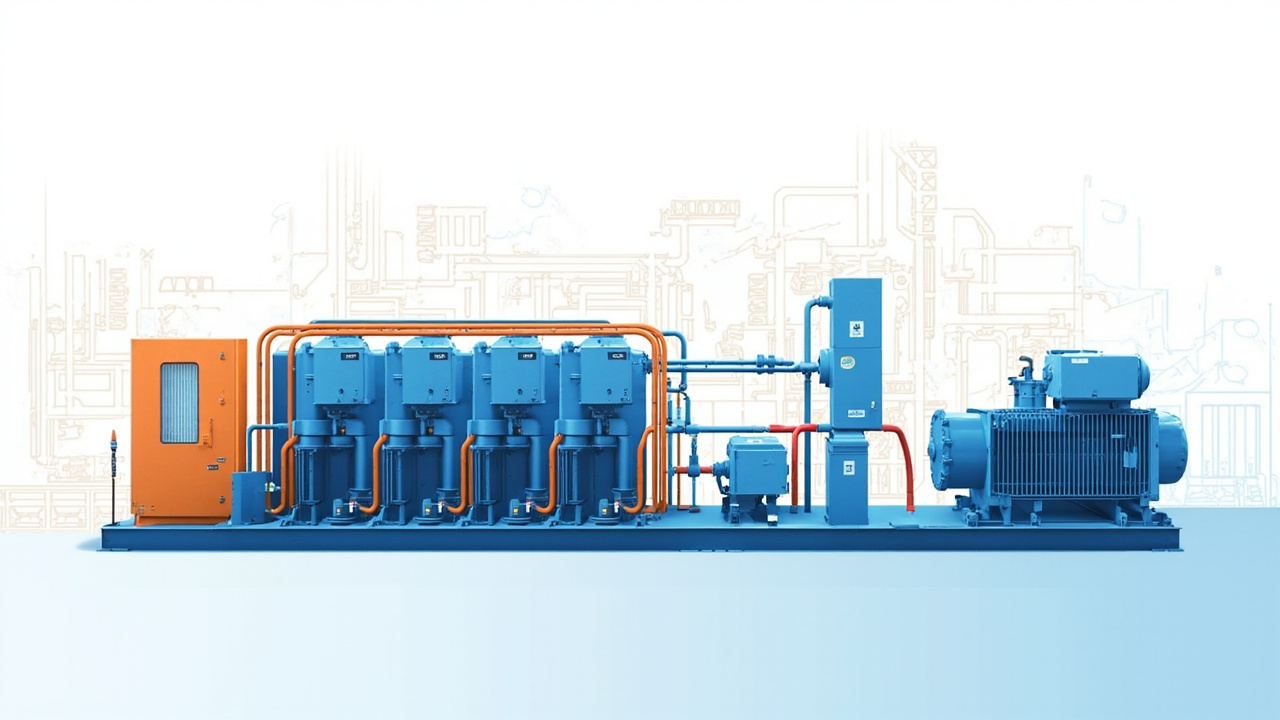
With the rapid growth of renewable energy capacity and increasing demand for grid peak shaving, large-scale energy storage systems have become a critical technical pathway for addressing the intermittency challenges of renewable energy. Grid integration of energy storage systems presents entirely new technical requirements for transformers while creating vast development opportunities for the transformer industry. This article analyzes the special requirements of energy storage systems for transformers, explores current technical challenges, and looks ahead to future opportunities.
Lithium-ion Battery Energy Storage (BESS) represents the most mainstream electrochemical storage technology today. Its transformer requirements include:
Vanadium flow battery storage, favored for its long lifespan and large capacity, is gaining adoption in grid-level storage applications. Special transformer requirements include:
Mechanical storage methods have relatively traditional transformer requirements, but rated power and startup characteristics warrant special attention.
When energy storage systems switch between charge and discharge modes, transformers must bear power flow in opposite directions. This places new demands on transformer insulation structure design, temperature rise characteristics, and noise control. Traditional distribution transformer life assessment methods under bidirectional load conditions require reevaluation.
Storage inverters using PWM control technology inject substantial harmonic currents into the grid. These harmonic components increase transformer auxiliary losses, cause localized overheating, and affect insulation life. Transformer manufacturers need to adopt optimization schemes that consider harmonic impacts from the design phase.
Grid dispatch requirements may demand energy storage systems output currents exceeding rated power for short periods. Transformers must possess sufficient short-term overload capability while avoiding accelerated insulation aging from overheating.
Frequent load variations from energy storage systems alter transformer aging patterns. Traditional thermal-based life assessment models require revision incorporating energy storage operating characteristics.
Addressing the special requirements of energy storage systems, transformer manufacturers are developing specialized products:
| Parameter | Standard Distribution Transformer | Energy Storage Transformer |
| Overload Capability | 150% / 1 hour | 200% / 2 hours |
| Harmonic Suppression | Basic | Enhanced design |
| Noise Level | 65dB | 55dB |
| Insulation Class | F-class | H-class |
With the high-speed development of the energy storage industry, the energy storage transformer market has broad prospects:
By 2030, the global energy storage transformer market is projected to exceed tens of billions of yuan, becoming a new growth engine for the transformer industry.
Energy storage system development presents both new technical challenges and market opportunities for the transformer industry. Transformer manufacturers must deeply understand energy storage system operating characteristics and innovate in product design, material selection, and manufacturing processes. Only through proactive layout and active innovation can they secure advantageous positions in this wave of energy storage industry development.